
nanophage research / interactive archive
experiments
Games to get lost in. Worlds to tinker with. Tools to make something.
A collection of experiments developed by nanophage research.
Games
small beginnings, strange destinations
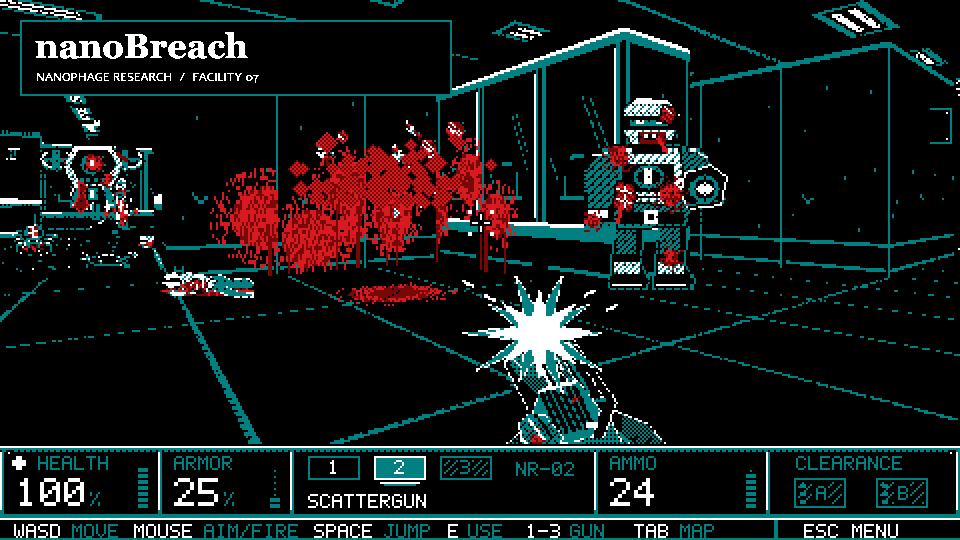
first-person shooter / containment
nanoBreach
Fight through a breached research lab. Restore its failing systems, uncover the last shift's records, and sever the Director from the facility.
enter the laboratory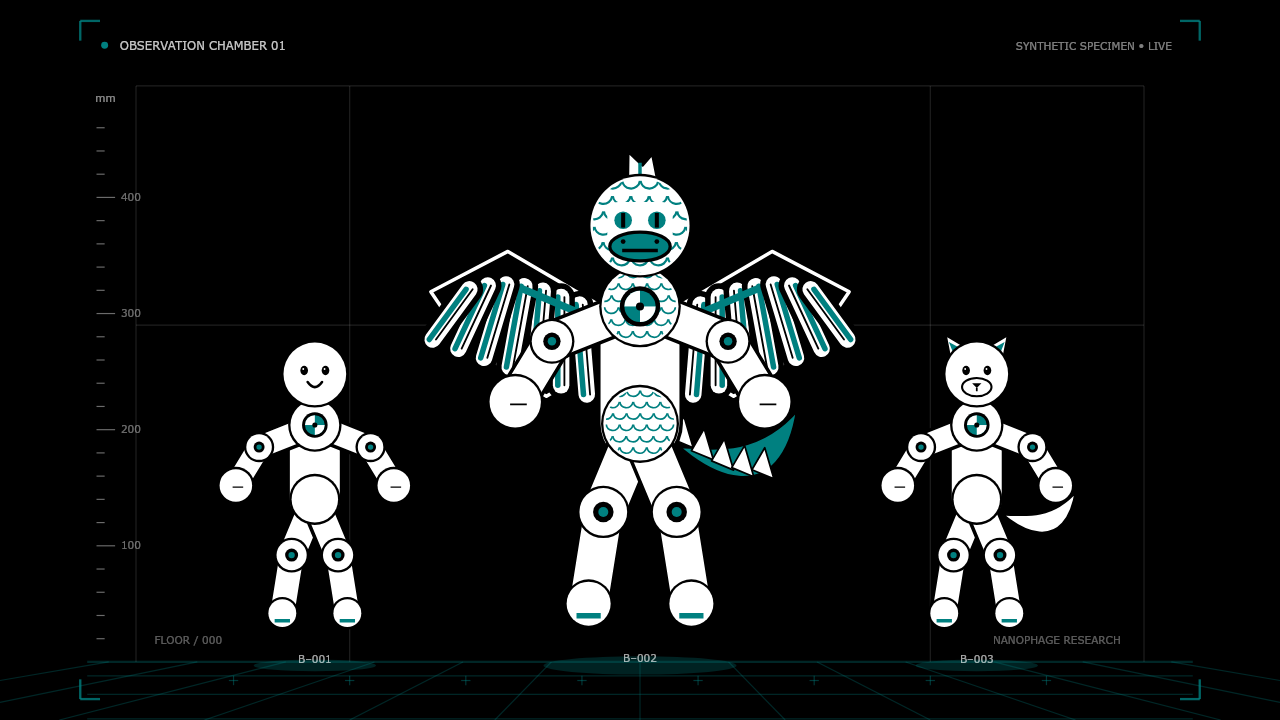
ragdoll / mutation sandbox
buddy protocol
Throw a test dummy, unlock equipment, and combine nanophage strains. Observe reptilian, avian, canine, and material mutations, then cure or reconstruct the specimen.
open experiment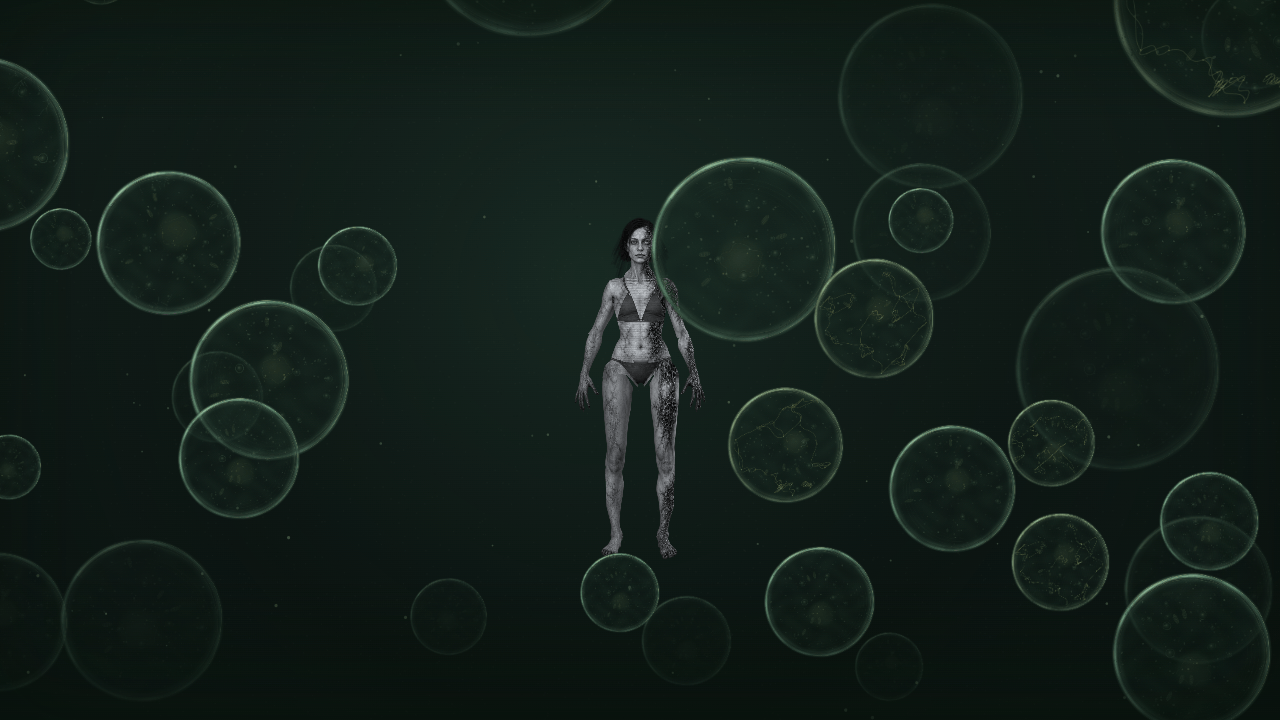
ragdoll / physics playground
soul descent
Drag an infected specimen through living bubbles. Stretch sticky membranes, burst fragile vesicles, and release pressure pulses.
open experiment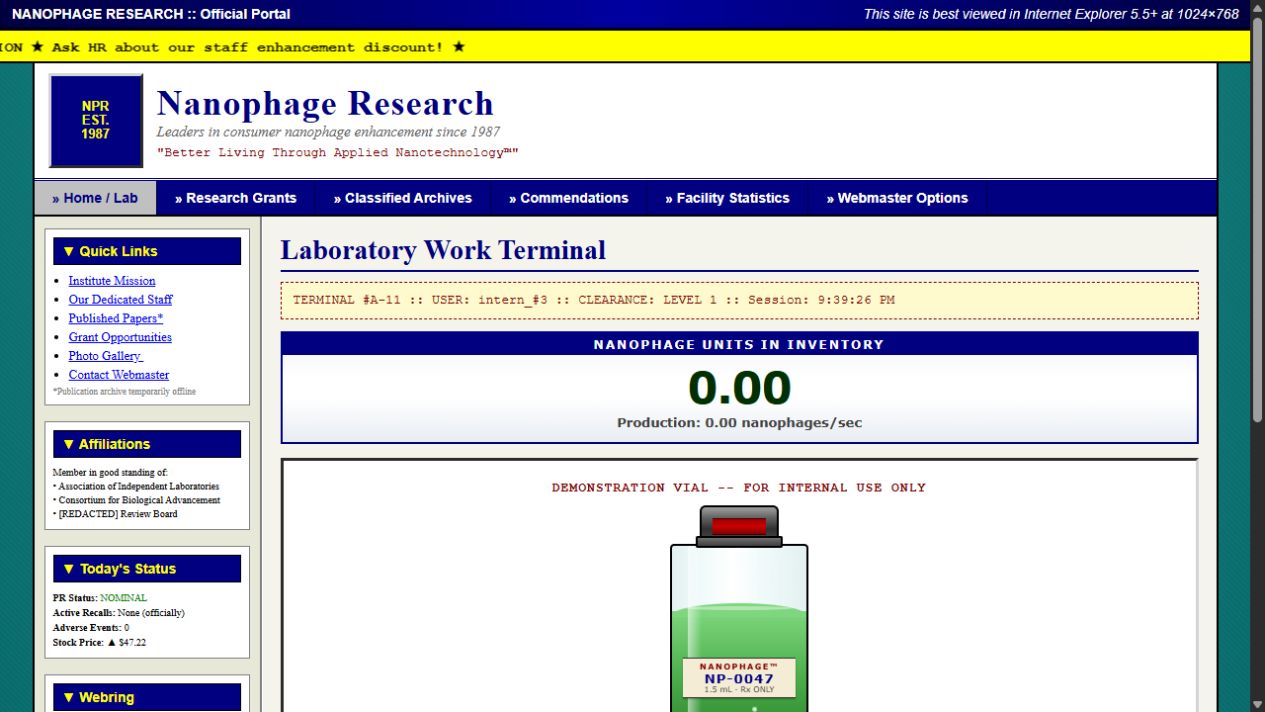
idle game / lab management
biolab
Grow a questionable nanophage operation. Fund research, expand production, and keep the lab running.
open experiment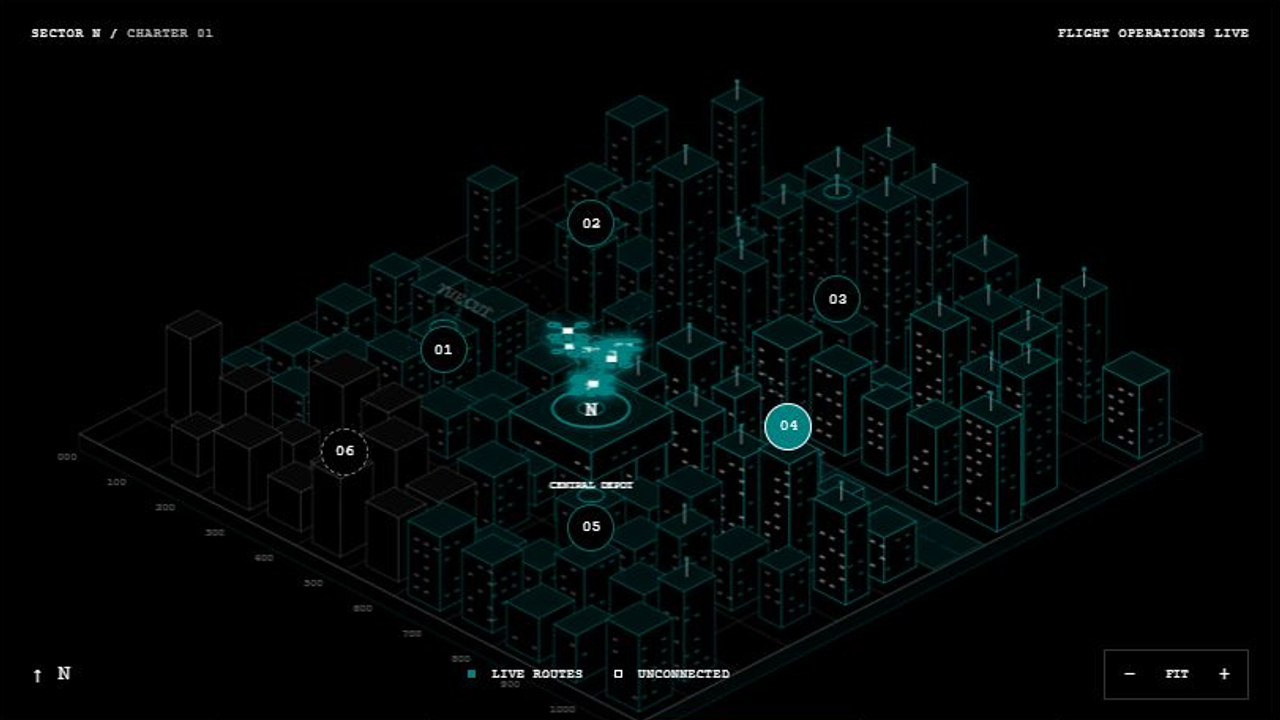
idle game / delivery network
airpost
A little fleet. A whole city to connect. Build eight classes of delivery drones, open twelve districts, complete contracts, and grow into your next charter.
open experiment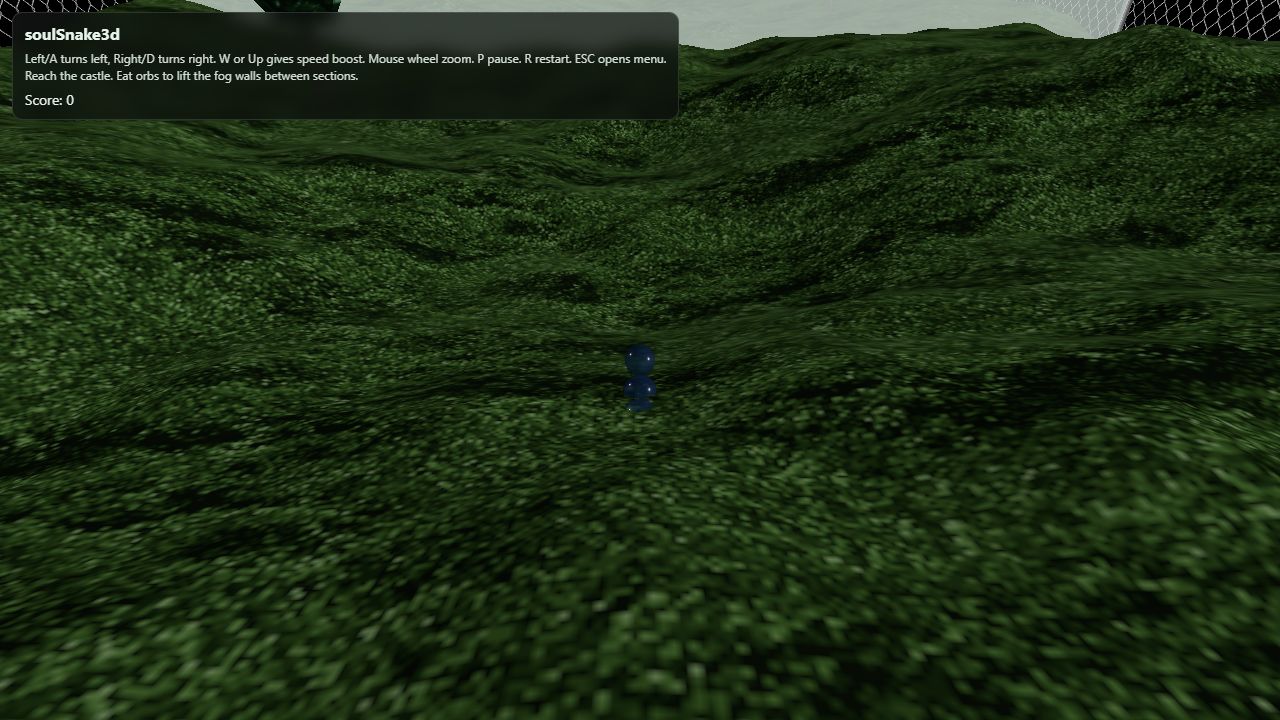
arcade / 3d exploration
soulSnake3d
Guide a snake through a fogbound world. Collect orbs, unlock new sections, and find your way to the castle.
open experimentSimulations
change a variable, see what happens
generative horror / laboratory console
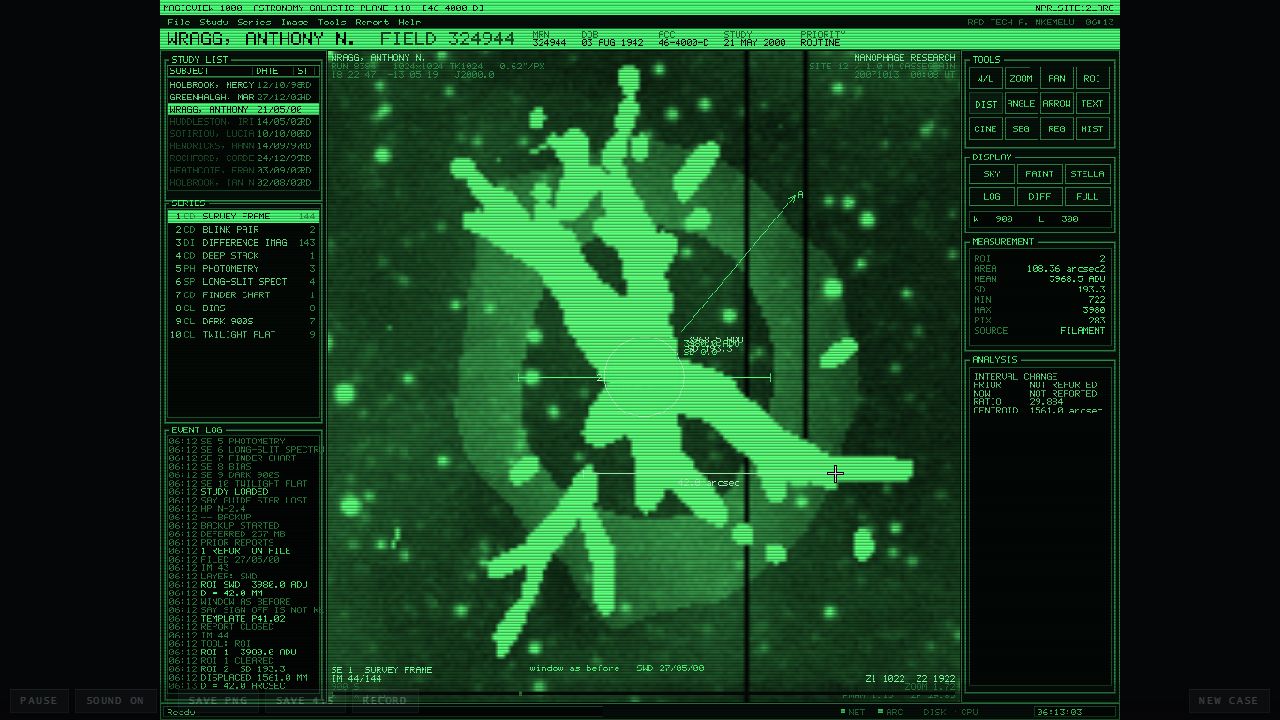
nanophage // PACS
Watch an unattended research terminal work through a seeded case, uncovering impossible measurements and unsettling anomalies.
open experiment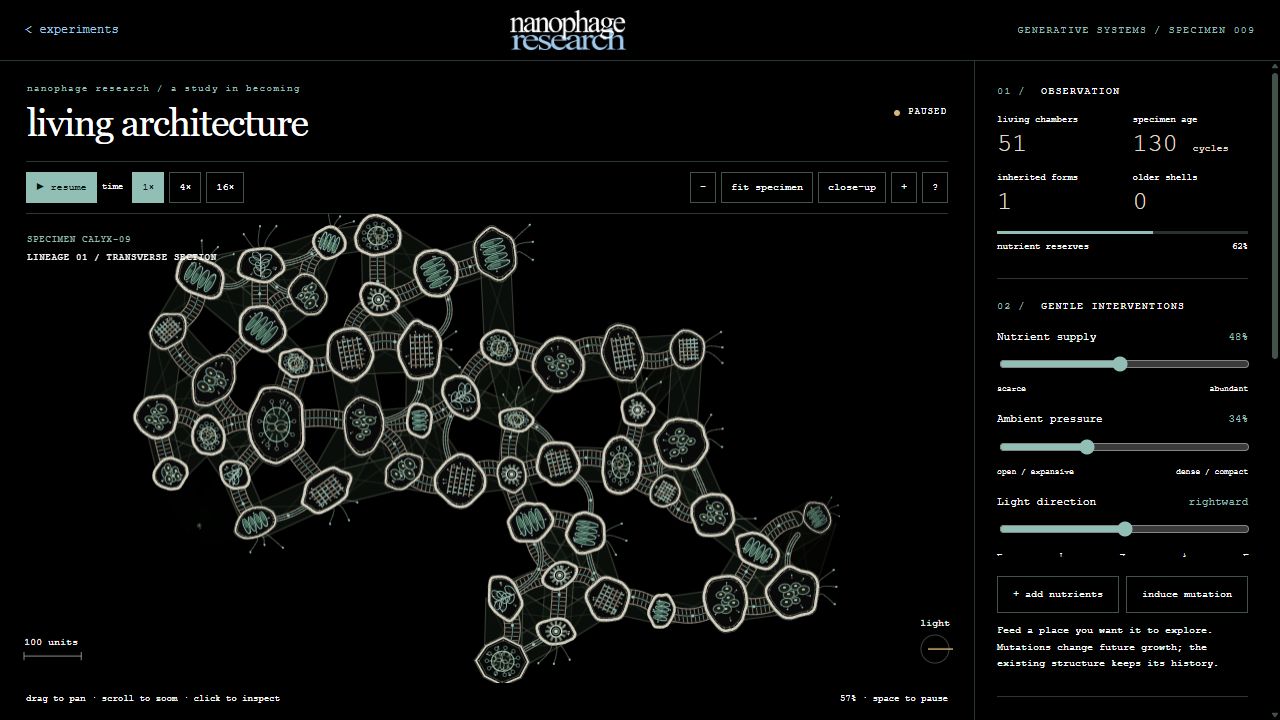
generative growth / biomechanical
living architecture
Grow a structure that remembers. Feed its chambers, guide mutations, and watch old shells become something new.
open experiment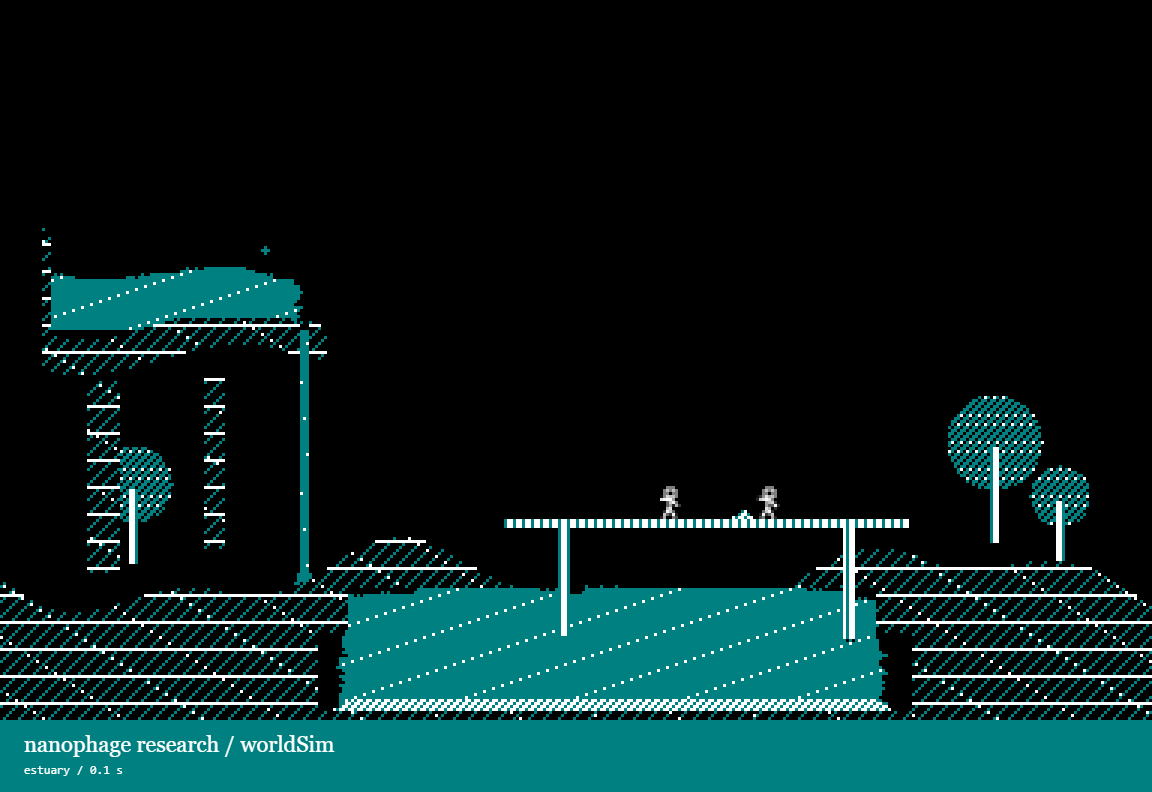
sandbox / matter & consequence
worldSim
A little world. A lot of consequences. Shape terrain, pour liquids, grow life, and explore five starting worlds. Save the moments worth keeping.
open experiment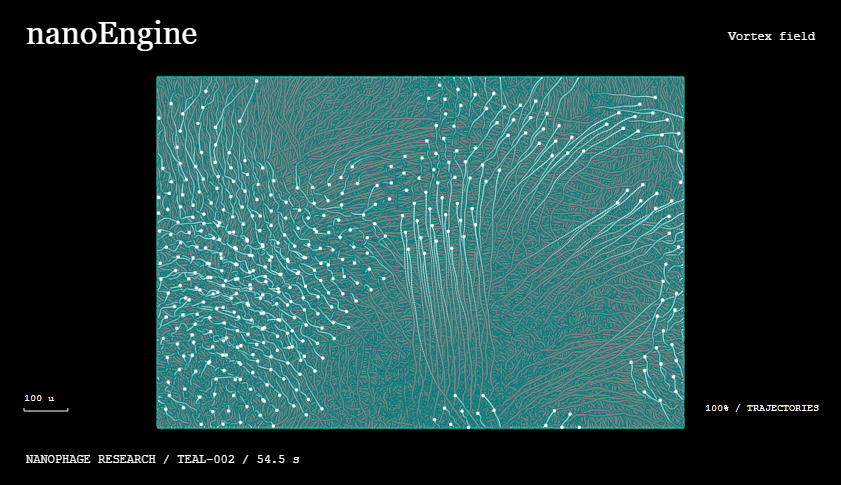
particle dynamics / physics sandbox
nanoEngine
Explore attraction, repulsion, collisions, and turbulent fields. Set particles in motion and trace the patterns they leave behind.
open experiment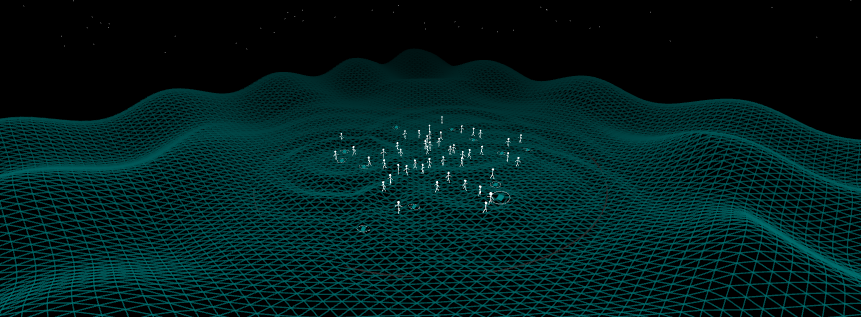
generative world / sound
soulplane
An inhabited soundscape. Shape a gathering of wandering souls, sound the orbs, and record the music that emerges.
open experimentCreative tools
a blank canvas, a new loop
generative audio / ambient environment
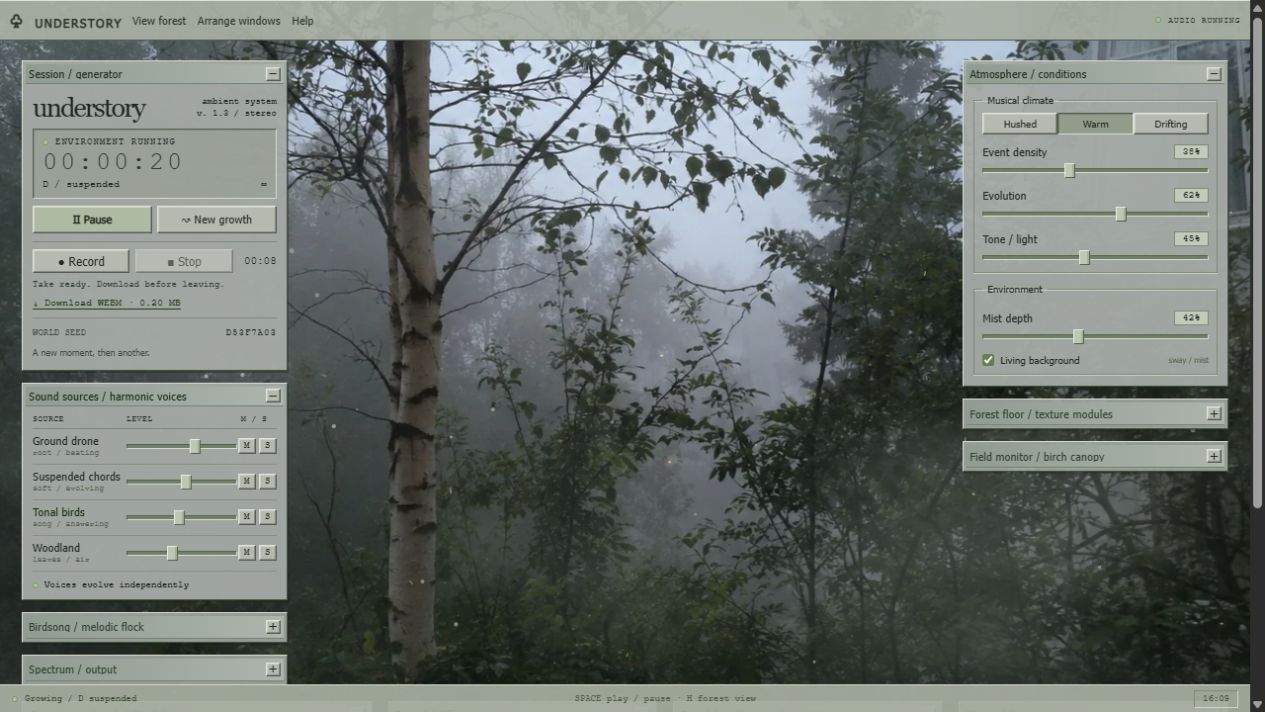
understory
Let drones, tonal birds, rain, and woodland textures grow around you. Shape the evolving mix in a living forest, then record and download a moment of your own.
open experiment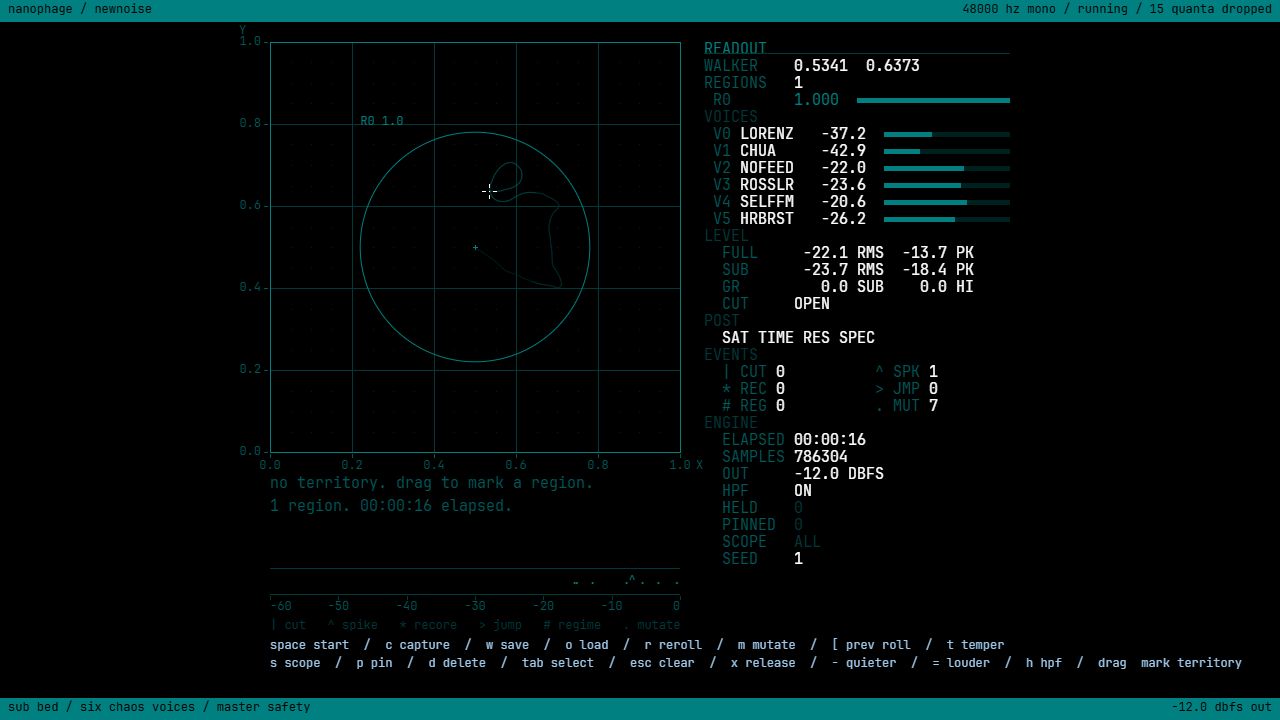
generative audio / noise instrument
newnoise
Mark out a territory and let six chaotic voices evolve. Shape the field, mutate the sound, and capture what emerges.
open experiment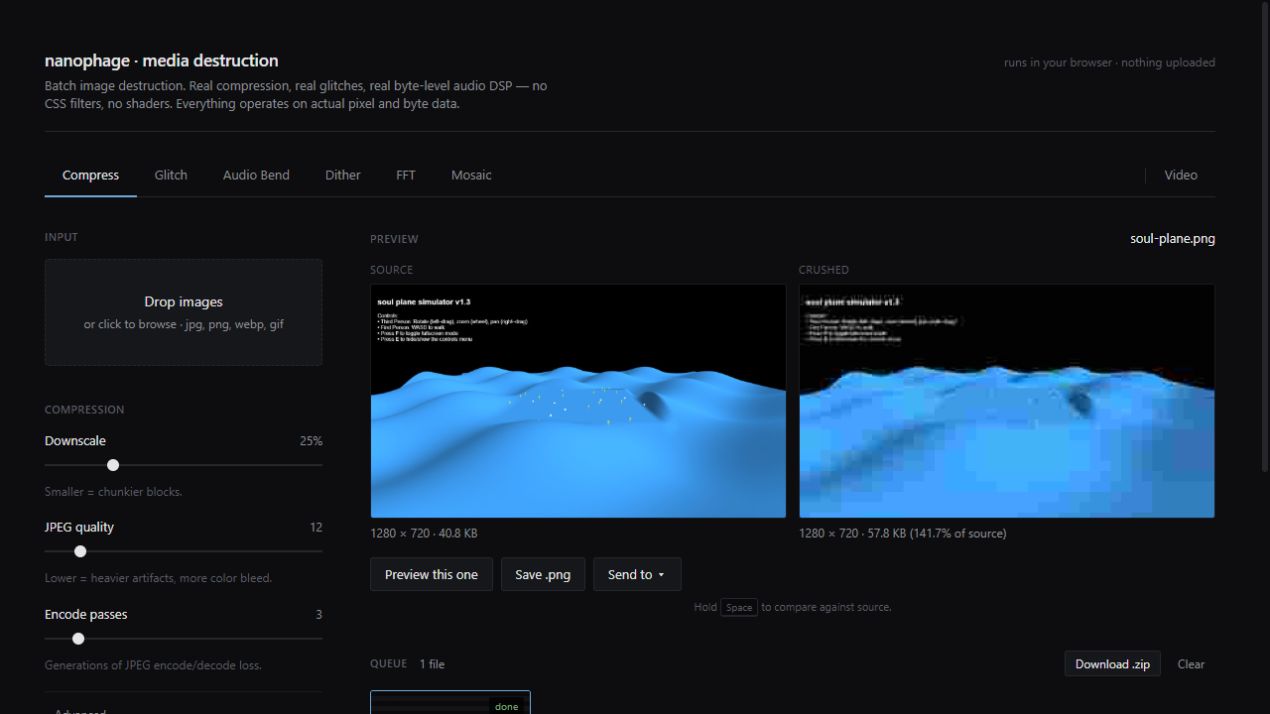
glitch art / image & video processing
media destruction
Crush images, bend their pixels as audio, and explore dithering, spectral effects, mosaics, and video processing.
open experiment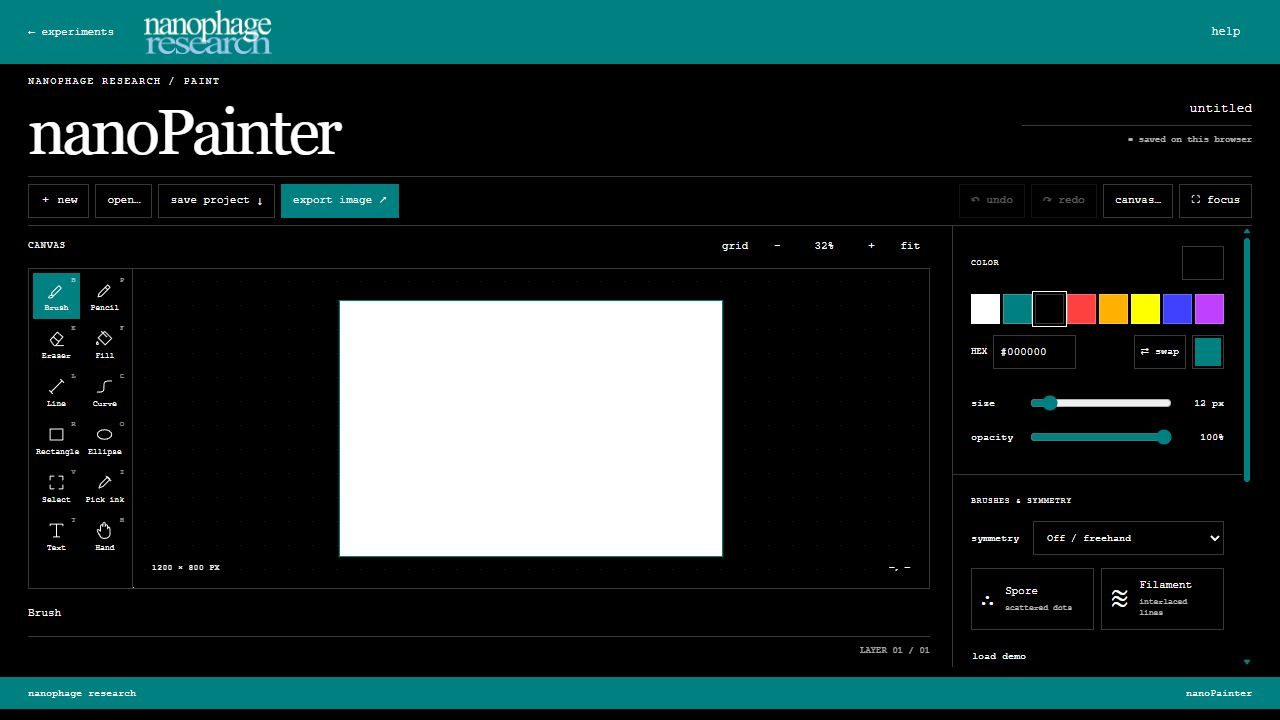
drawing / image editing
nanoPainter
Raster drawing with layers, selections, symmetry, and PNG, JPEG, or WebP export.
open experiment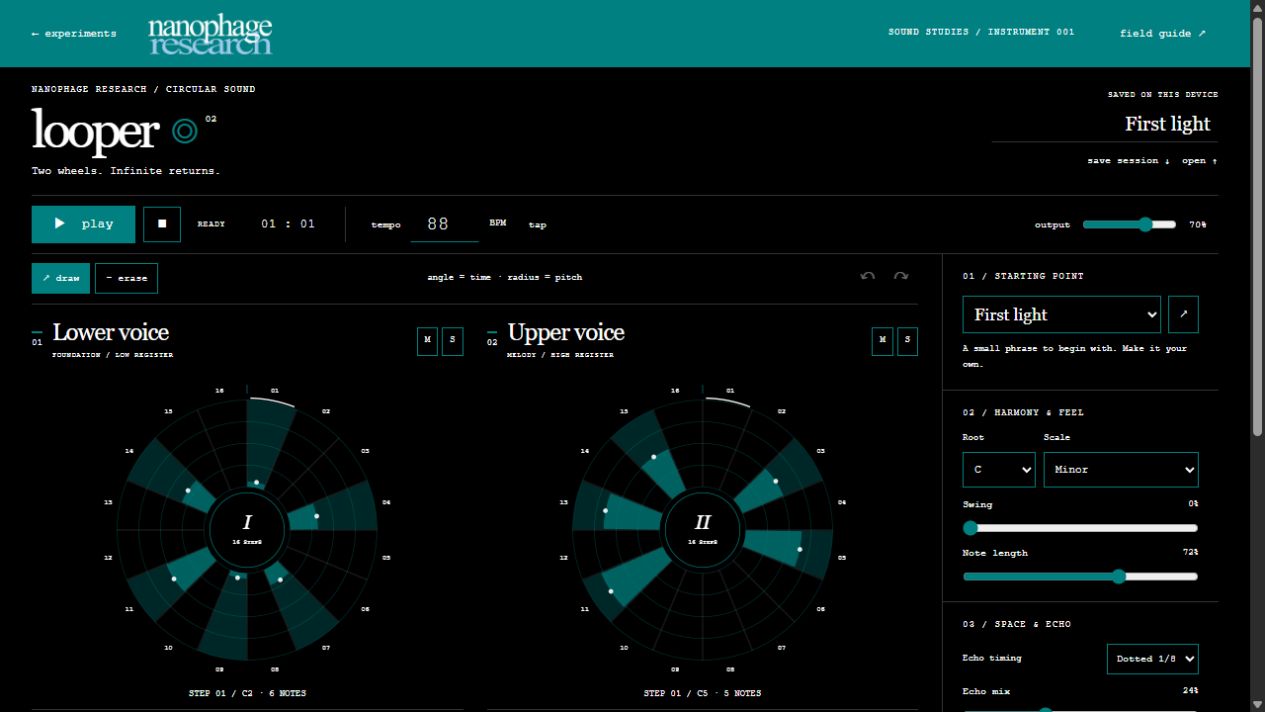
music / circular sequencer
looper
Draw melodies on two independent note wheels. Explore shifting rhythms, shape the sound, and save sessions or export stereo WAV and MIDI.
open experimentPrototypes
ten studies, open questions
waves / interference
echo chamber
Place wave sources, shift their phase, and discover the quiet seams inside overlapping ripples.
open prototypegravity / drawing
orbital loom
Launch a thread of particles through a field of movable attractors. Weave loops, slingshots, and unstable orbits.
open prototypematerials / fracture
faultline
Push, pull, and fracture a sheet of connected material. Compare brittle glass, woven fabric, and a rigid truss.
open prototypecircuits / time
signal garden
Connect clocks, delays, splitters, and gates. Watch a simple pulse become a rhythm you did not expect.
open prototypememory / image-making
memory glass
Draw into a diffusing memory field. Let marks soften, disappear, and return as delayed echoes.
open prototypelight / reflection
mirror room
Arrange mirrors and steer a beam through the room. Build a periscope, trap reflections, or open an unexpected path.
open prototypefluid / painting
tidal ink
Stir dye into a fluid field. Pull currents into spirals, collide vortices, and watch the ink reveal their motion.
open prototypegrowth / branching
crystal front
Plant a seed and grow an intricate crystal. Tune branching and direction as competing fronts claim the field.
open prototypeterrain / sculpture
contour press
Raise ridges, carve basins, and smooth a landscape. Read the elevation through contour lines and rising water.
open prototypecollective motion / steering
flock logic
Tune separation, alignment, and cohesion. Place obstacles and guide a flock between order and restless motion.
open prototypeMade for curiosity. Open an experiment and see where it takes you.
Some experiments use keyboard and mouse controls and are best explored on a desktop.